Foundation movement is a common issue for homes and buildings all across South Australia. This insight explains what underpinning is, why it’s often required in Adelaide, how different methods work in detail, and when underpinning is, and is not, necessary, so you can make an informed decision before committing to structural work.
40+ years' experience · 1,100+ homes repaired · 10-year guarantee · SA licence BLD 277 345
Why Underpinning Is Common in Adelaide
Much of Adelaide is built on highly reactive clay soils. These soils expand when they absorb moisture and shrink during dry periods, creating ongoing ground movement beneath footings and slabs.
Over time, this movement can lead to:
Uneven settlement of foundations
Loss of soil bearing capacity
Voids forming beneath slabs
Progressive structural cracking
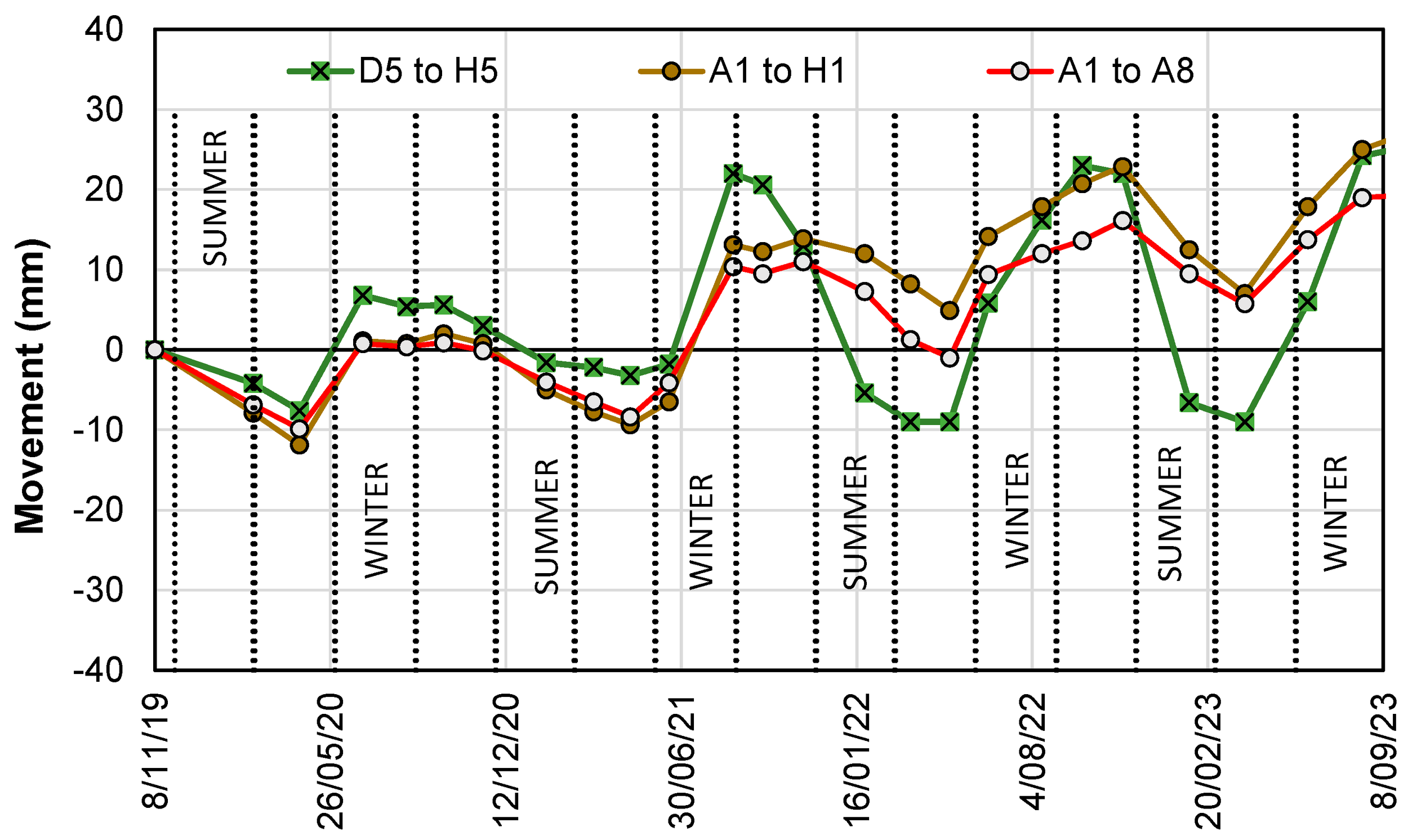
Seasonal movement of soils in Adelaide. Graph 1.
This behaviour is particularly common in areas affected by:
Seasonal rainfall changes
Poor drainage or plumbing leaks
Changes to trees or landscaping near footings
Older construction methods not designed for modern soil understanding
As a result, underpinning in Adelaide is often required not because of poor construction, but because the ground conditions beneath a structure have changed.
A study by the University of South Australia mapped group movements at various data points in Adelaide, season to seasons shown in graph 1, this just shows you the extent to which soils can move in our region.Source: MDPI
What Is Underpinning?
Underpinning is a structural remediation process used to stabilise and strengthen existing foundations. The goal is to prevent further movement by improving the ground conditions beneath a building or transferring loads to more stable material.
In practical terms, underpinning addresses:
Soil that has softened, eroded or compacted
Foundations that no longer distribute loads evenly
Differential settlement causing stress in the structure
Underpinning does not cosmetically fix cracks, it addresses the underlying cause so that cosmetic repairs will hold after the underpinning has taken place, in fact its possible that you will have more cracks after underpinning has taken place as the process brings your building back to its original level. This is easily then repaired by plastered such as TradeCo or others.
The team at Urathane Solutions performing an underpinning job in Adelaide.
Common Signs You May Need Underpinning.
Not all cracks or defects indicate a structural issue, but certain patterns are consistent with foundation movement.
Common indicators include:
Stepped cracking in brickwork
Diagonal cracks from doors or windows
Doors and windows sticking or misaligning
Uneven or sloping floors
Gaps between walls, floors or external paving
Cracks that widen over time rather than stabilise
If these symptoms are progressive or appear in multiple areas, further assessment is recommended before surface repairs are attempted. Read more here.
When Underpinning May Not Be Required
An important part of responsible foundation advice is recognising when underpinning is not necessary.
Underpinning may not be required where:
Cracks are hairline and stable
Movement occurred historically and has ceased
Damage is caused by render, plaster or finishes rather than structure
Drainage or moisture issues can be resolved without foundation work
This is why professional assessment is critical. Undertaking underpinning where it isn’t required adds unnecessary cost without improving outcomes.
Underpinning Methods Used in Adelaide
Traditional Concrete Underpinning
This method involves excavating beneath existing footings and constructing concrete supports to extend the foundation to deeper, more stable soil. While effective in some scenarios, it can be disruptive and time-intensive, particularly for occupied buildings.
Resin Injection Underpinning
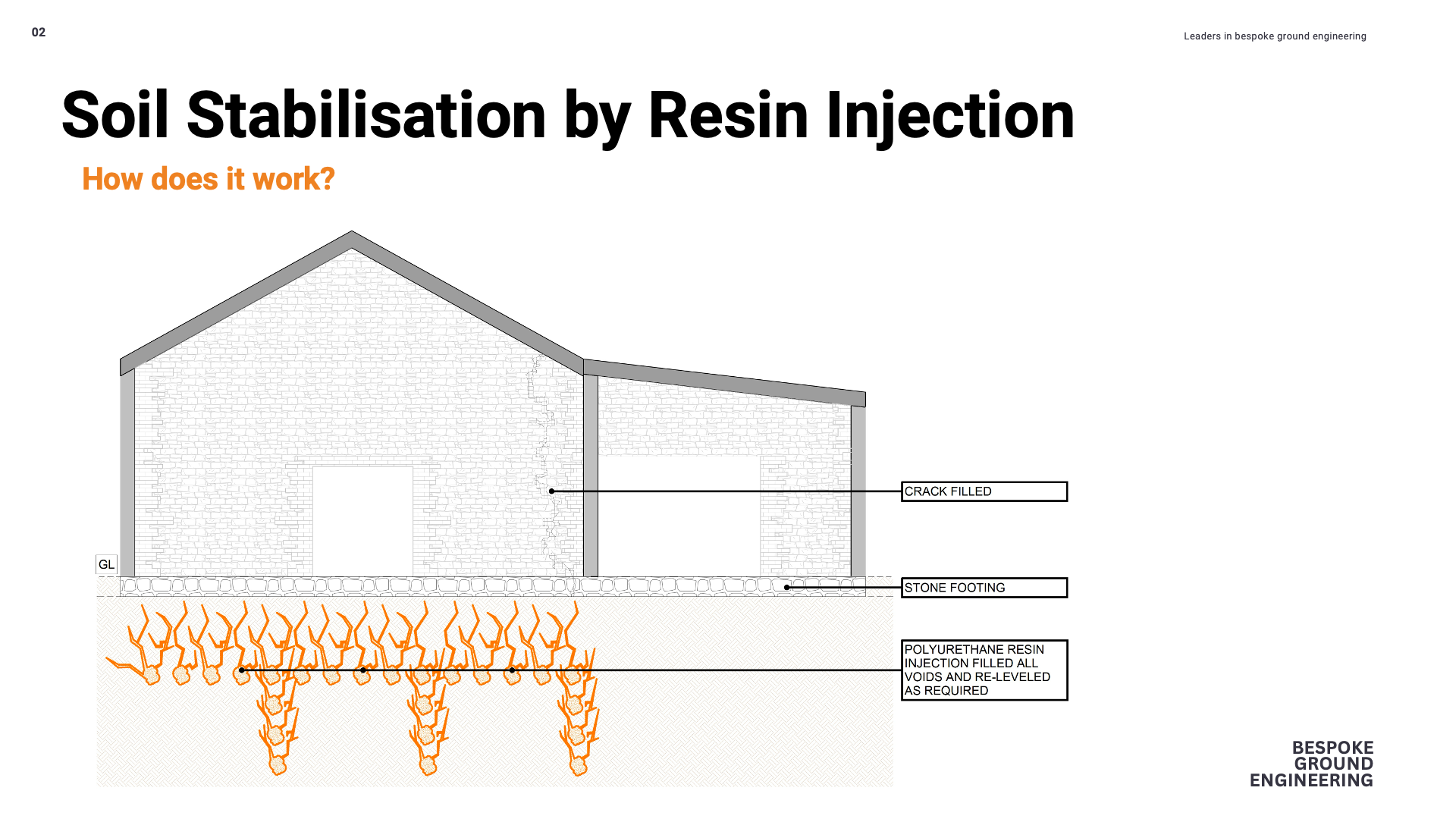
Resin injection underpinning is a modern method commonly used in Adelaide to stabilise foundations with minimal excavation.
A geo-polyurethane resin is injected beneath footings through small access points. As the resin expands, it:
Fills voids in the soil
Densifies and strengthens ground structure
Restores bearing capacity
Allows controlled re-levelling where required
This approach is well suited to reactive clay environments and can often be completed with minimal disruption to the building and surrounding areas.
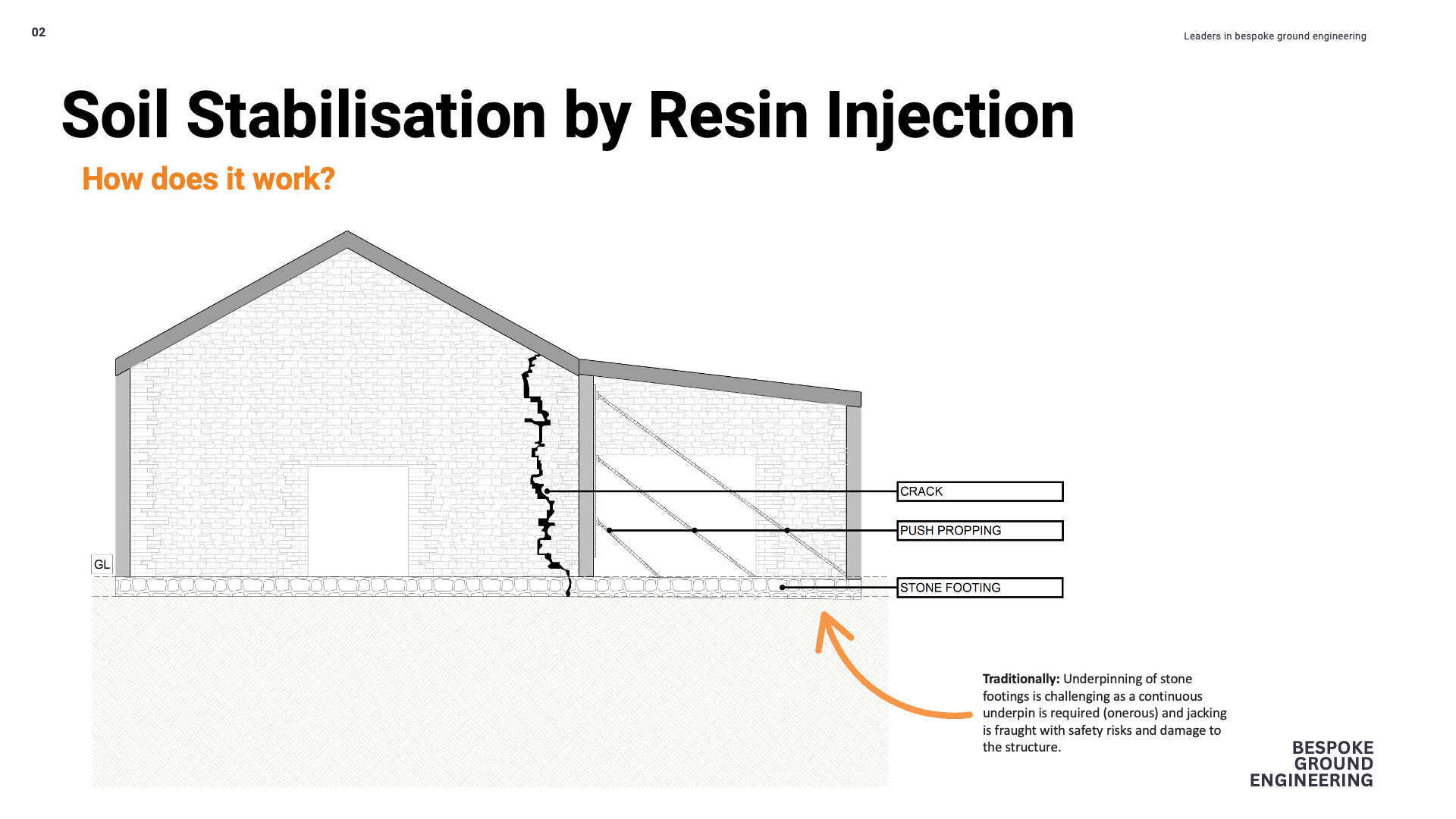
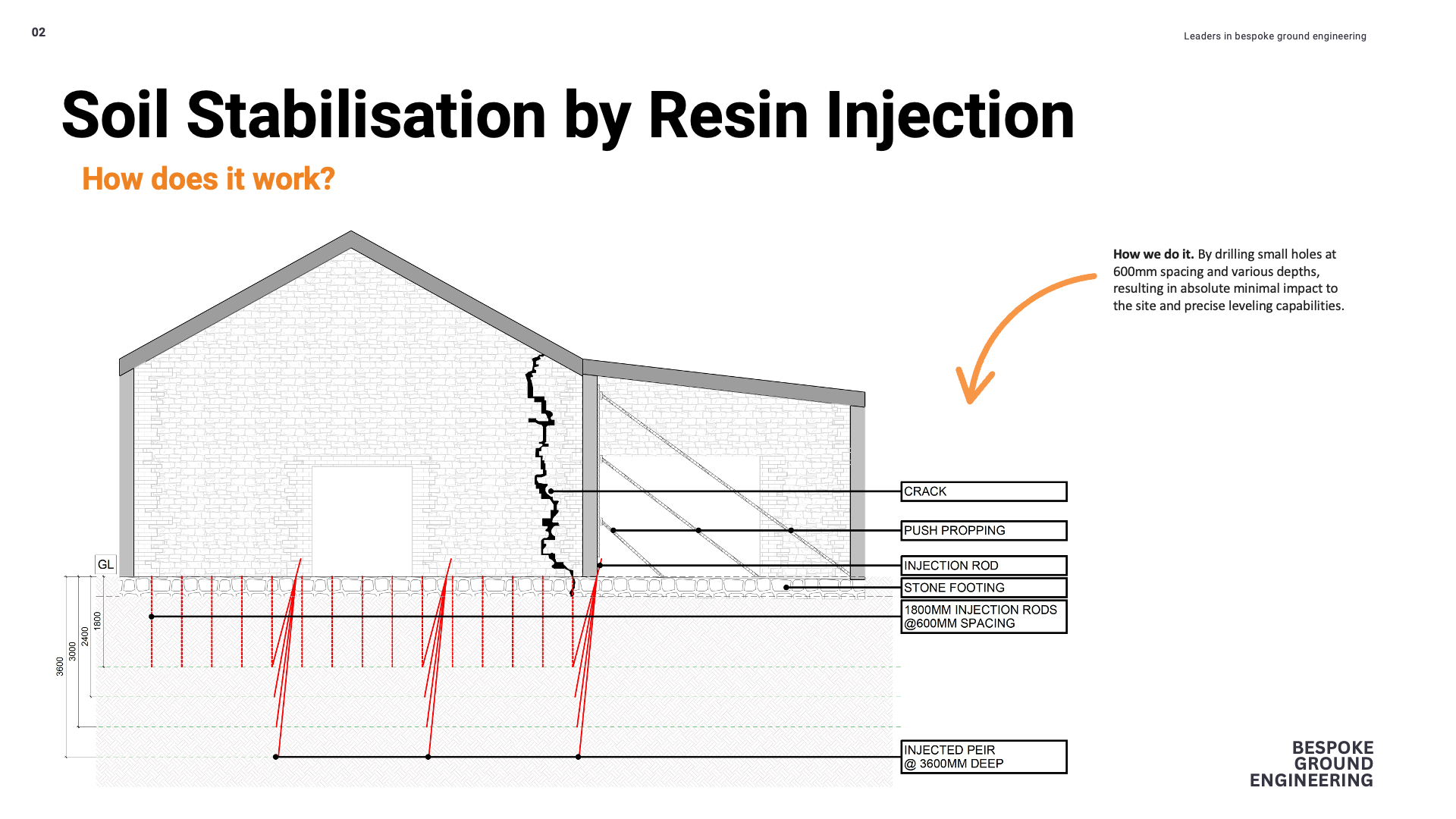
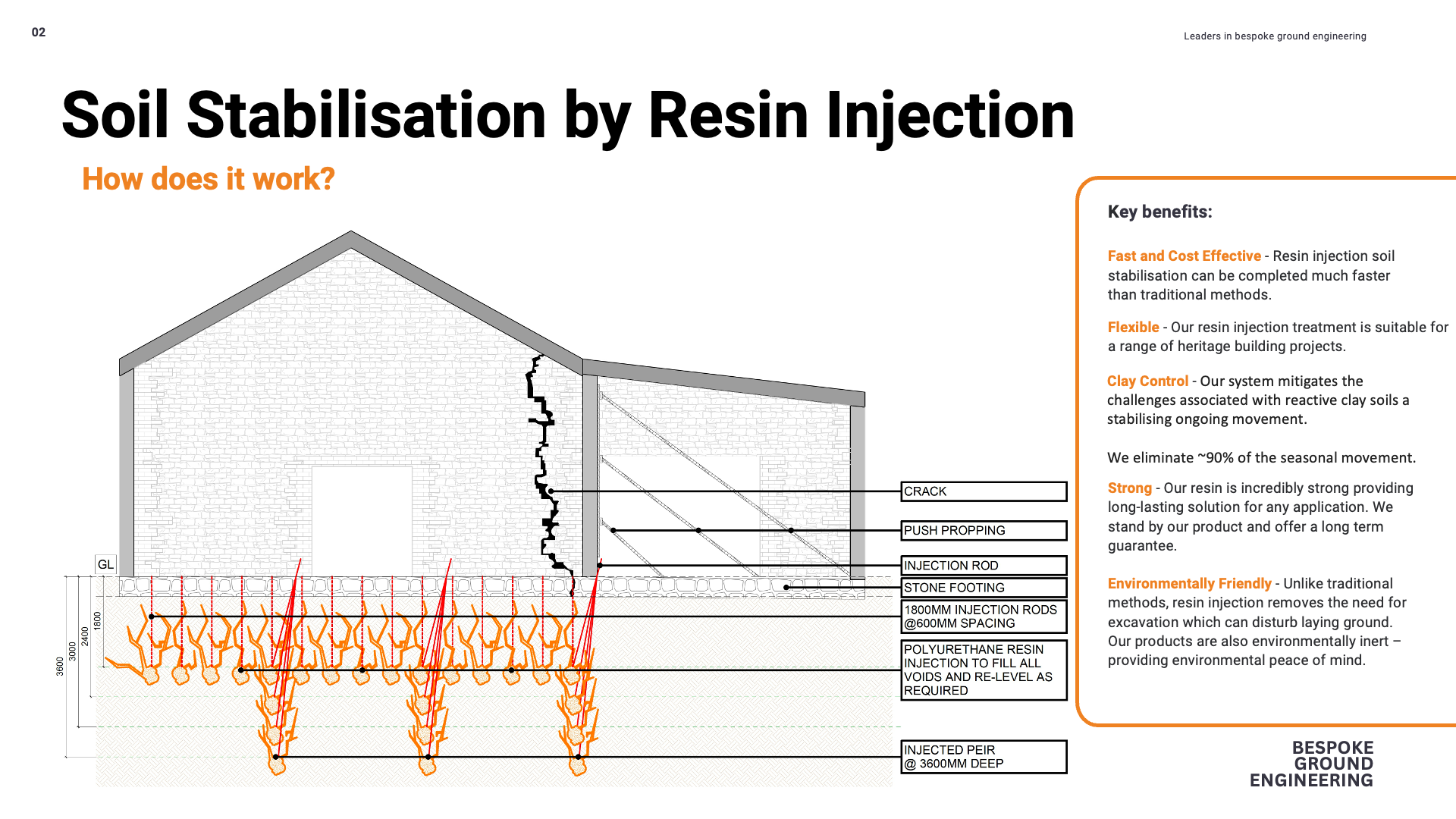
Resin Injection Example of a property in Adelaide below, this is a heritage job that was performed quickly with minimal disruption.
CLICK THROUGH THE SLIDES BELOW TO SEE A HERITAGE UNDERPINNING PROCESS:
How Resin Injection Performs Over Time
A key consideration for underpinning solutions is long-term performance.
Geo-polyurethane resins used for foundation stabilisation are:
Water resistant
Non-degradable
Capable of supporting high structural loads
Designed to behave compatibly with surrounding soils
When correctly applied, resin injection provides a long-term stabilisation solution rather than a temporary fix.
Professional Experience Matters
Underpinning is not a one-size-fits-all solution. Adelaide’s soil variability means that successful outcomes rely on understanding both local ground behaviour and structural load paths.
Urathane Solutions undertakes foundation stabilisation works across metropolitan and regional South Australia, applying engineered resin injection methods to residential, commercial and government assets where ground movement is impacting performance or safety.
All works are designed to stabilise foundations with minimal disruption and are supported by long-term performance guarantees.
How Much Does Underpinning Cost in Adelaide?
The cost of underpinning in Adelaide varies depending on:
Extent of movement
Size and type of structure
Accessibility of affected areas
Ground conditions beneath the building
Size of area to resolve, eg do we need to re level one corner of a house or the entire house.
Because no two sites behave identically, accurate pricing requires on-site assessment rather than estimates based on symptoms alone. However expect anywhere from ~$5000 to ~$17000 for your average Adelaide underpinning works.
Next Steps if You’re Concerned About Foundation Movement
If you’re observing signs of structural movement, the most effective first step is a professional assessment to determine:
Whether underpinning is required
Which method is appropriate
Whether alternative remediation is sufficient
Early intervention often prevents escalation and reduces long-term repair costs.
For expert advice on underpinning Adelaide homes and buildings, Urathane Solutions offers professional foundation assessments across South Australia.
What our Adelaide customers say
"The area where we live is notorious for its very reactive clay sub soils… The team was meticulous in its approach at establishing adequate controls to determine the realignment of the building and completed the actual work of lifting the foundations within two days." — Neville H
"Trent and his team were amazing, after buying a few investment properties in the Northern Suburbs of Adelaide with foundation issues… Would recommend them to anyone who needs underpinning work." — Andrew S
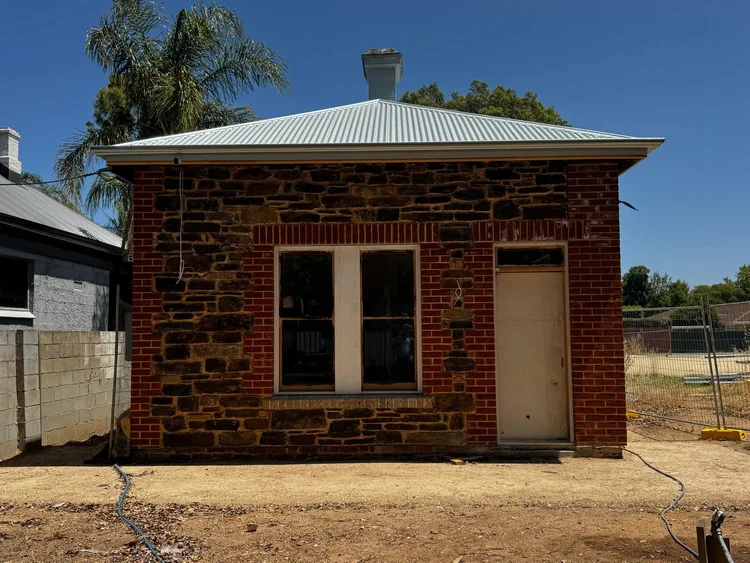
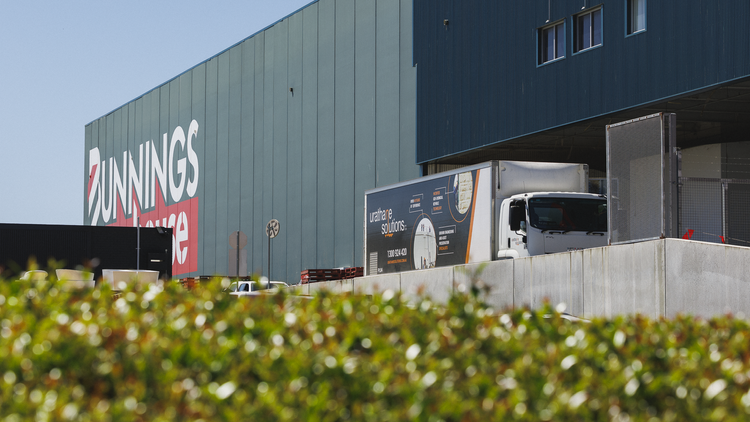
Recent Adelaide projects
Areas we service
Metropolitan Adelaide and regional South Australia, including the Northern Suburbs, Gawler, the Eastern Suburbs and the South East. Learn more about our resin injection underpinning and soil stabilisation.
Underpinning Adelaide FAQs
How do I know if my house needs underpinning?+
Stepped or diagonal cracks that keep widening, sticking doors and windows, and sloping floors are the common signs. Hairline cracks that aren't moving usually don't need underpinning.
Will the cracks close?+
Often they close partly or fully as the footing is lifted. Where they can't, the ground is still stabilised so the cracks can be repaired and stay repaired.
Do I need to move out?+
No. The work is done through small holes around the footings, and most homes are finished in one to two days.
Is resin injection permanent?+
The geo-polyurethane resin is water resistant and non-degrading, and our work carries a 10-year guarantee.
Are you licensed?+
Yes. SA builder's licence BLD 277 345.